
St. Charles County Drops Flock Cameras After Misuse
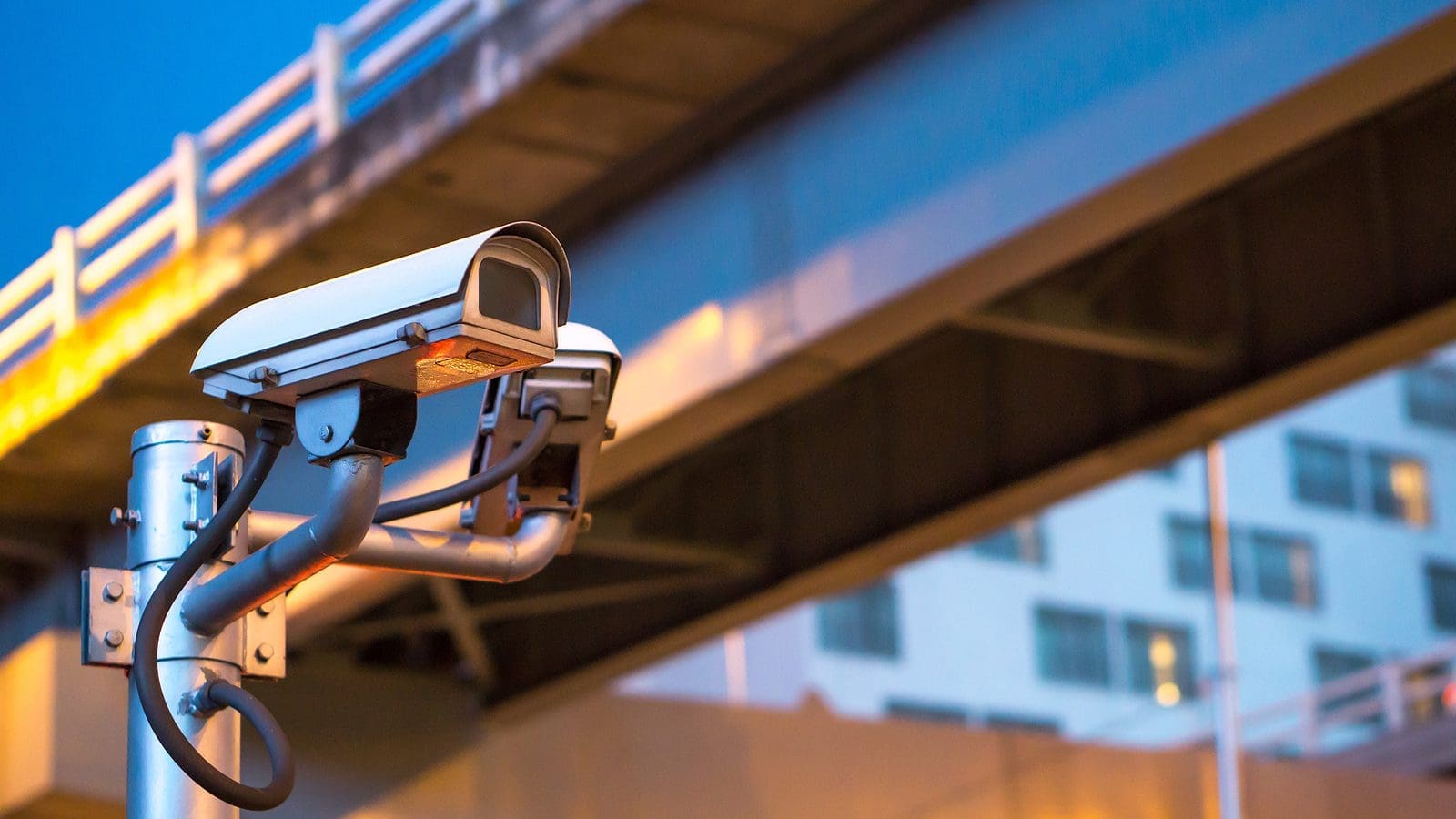
St. Charles County, a rapidly growing region in Missouri, has recently made headlines for its decision to discontinue the use of flock cameras designed to enhance public safety. These cameras, which were intended to capture and analyze vehicle license plates to aid law enforcement in tracking down stolen vehicles and locating suspects, have been met with substantial public scrutiny and concerns over privacy and potential misuse.
The decision to drop the flock camera program came after various reports highlighted instances of misuse and possible overreach in how the data was being handled. Residents voiced their concerns during community meetings, suggesting that while the intent behind the cameras was noble, their implementation raised significant ethical questions. Many felt that the constant surveillance could lead to an invasion of privacy, where innocent individuals were continuously monitored without cause.
Initial reports indicated that the cameras were being utilized beyond their intended purposes. Law enforcement agencies were accused of using the technology for tracking individuals without warrants or adequate justification. This prompted a wave of backlash from the community, with many citizens arguing that such practices led to a slippery slope of intrusive surveillance. Advocates for privacy pointed out that the potential for abuse was high, especially in communities already feeling the strain of police presence.
Moreover, the technology itself, powered by advanced algorithms and artificial intelligence, attracted criticism regarding its accuracy and the potential for misidentification. Instances of misreads or false positives could unjustly implicate innocent civilians, leading to wrongful encounters with law enforcement. This concern was compounded by a lack of transparency regarding how long the data would be retained and who would have access to it.
In light of these complications, St. Charles County officials convened to reassess the program, ultimately opting to halt its use. This decision reflects a growing sentiment across the country that prioritizes civil liberties alongside public safety—a complex balance that many communities are grappling with in the age of increasing surveillance technology.
While the county’s departure from the flock camera initiative may serve as a precedent for other jurisdictions contemplating similar measures, it also raises broader questions about the future of surveillance and policing. As communities seek innovative ways to ensure safety, it is crucial that they also protect the rights and freedoms of their citizens. The decision to abandon flock cameras represents a recognition of these values, emphasizing the need for ongoing dialogue and collaboration between law enforcement, policymakers, and the public.
Consequently, the St. Charles County’s choice to drop these cameras could spark a much-needed reevaluation of surveillance strategies nationwide, fostering a more respectful approach to community safety in the digital age.
For more details and the full reference, visit the source link below: