
Iran Missile Attack on UAE Deepens Gulf War
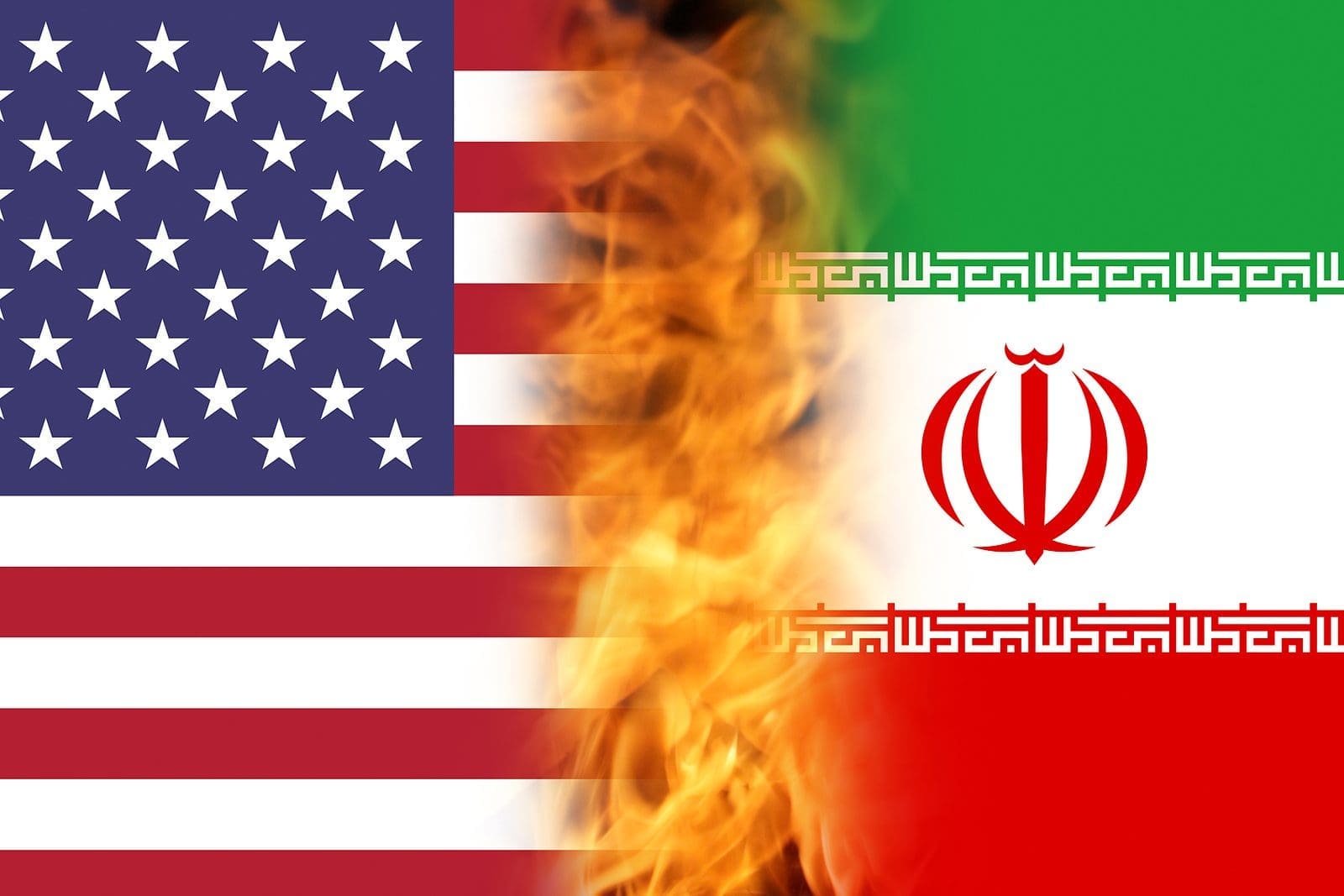
The recent missile attack by Iran on the United Arab Emirates (UAE) marks a significant escalation in tensions within the Gulf region, stirring fears of a more widespread conflict. The UAE, known for its relative stability and economic prosperity in the Middle East, has found itself on the front lines of a brewing conflict that could have far-reaching consequences for the entire Gulf Cooperation Council (GCC) and beyond.
Iran’s missile strike, reportedly aimed at key strategic locations within the UAE, underscores the Islamic Republic’s readiness to project its military power as it responds to what it perceives as external threats. This action is viewed by many analysts as a direct rebuke to the normalization of relations between Israel and several Arab states, including the UAE. The Abraham Accords, which sought to foster peace and cooperation, seem to have inflamed Iran’s regional ambitions, prompting a defensive posture at home while flexing its military muscle abroad.
The attack adds a layer of complexity to existing tensions between Iran and its Gulf neighbors, particularly in light of ongoing struggles over influence in the region. The UAE has been involved in a regional coalition against Iranian proxies, particularly in Yemen, where Houthi rebels are known to receive support from Tehran. As such, the missile strike can be interpreted as a warning to the UAE and its allies that Iran possesses the capability and willingness to retaliate against actions it considers hostile.
In response to the attack, the UAE has reinforced its military alliances, particularly with the United States and Saudi Arabia, elevating calls for collective security measures. The prospect of a Gulf war, once considered a distant possibility, is now a more immediate concern as regional powers reassess their security frameworks. Increased military presence from the U.S. and other Western allies in response to Iranian aggression may further inflame tensions, as Iran views this as encroachment on its sovereignty.
The geopolitical ramifications of the missile strike are profound. If left unaddressed, the incident could lead to an arms race in the region as GCC nations seek to bolster their defense capabilities. Conversely, a failure to respond adequately could embolden Iran, prompting further aggressive actions. The fragile balance of power in the Gulf is at stake, and the international community must act with caution to prevent a full-fledged war.
In conclusion, Iran’s missile attack on the UAE highlights the volatility of the Gulf region, intricately weaving together themes of national security, regional diplomacy, and international relations. The situation remains fluid, and all parties involved must navigate these turbulent waters with diplomacy to avoid a descent into chaos and conflict.
For more details and the full reference, visit the source link below:
Read the complete article here: https://www.stl.news/iran-missile-attack-on-uae-deepens-gulf-war/