
Hertz Stock Collapse Spurs Multiple Investor Lawsuits
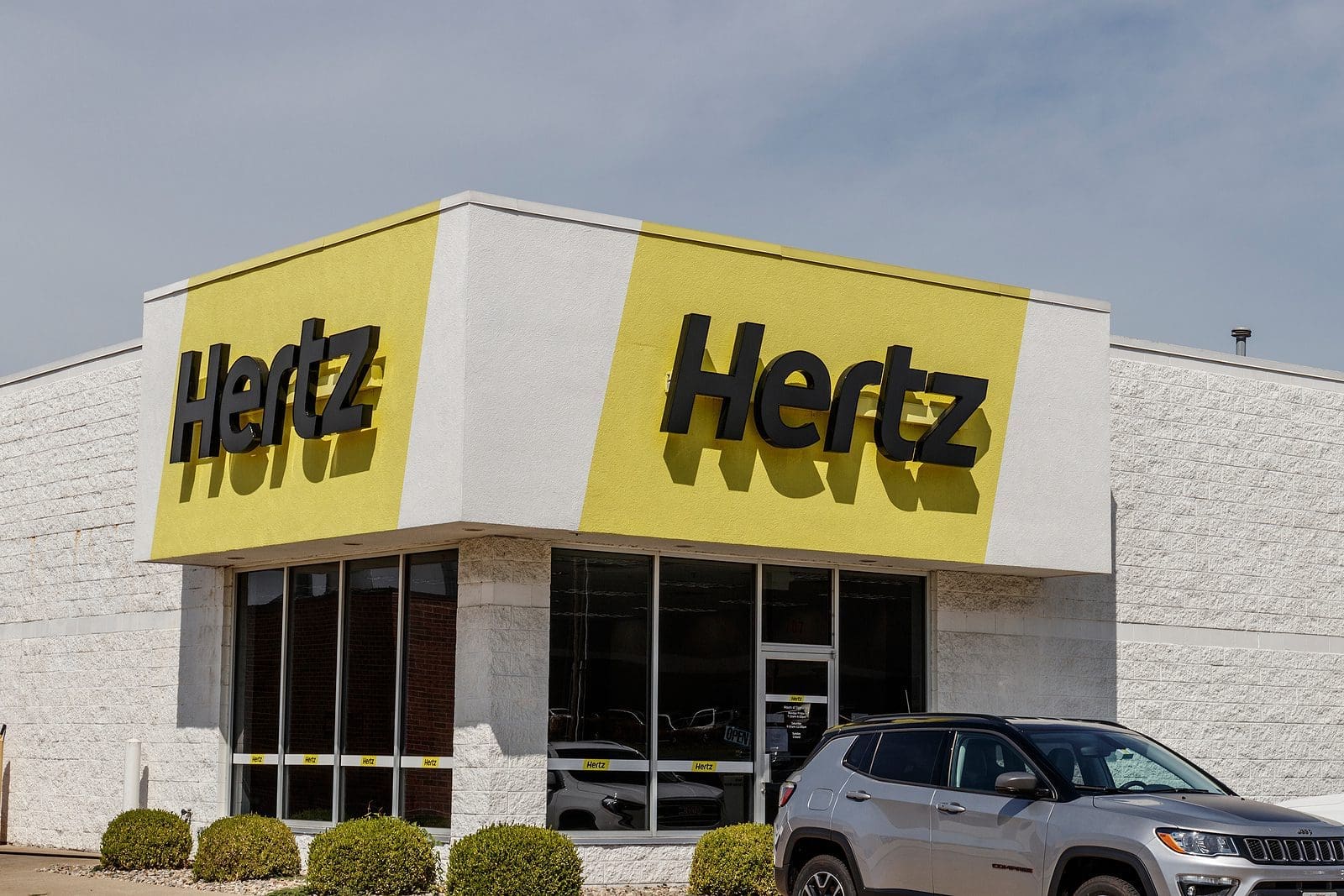
Hertz Global Holdings, Inc., once a prominent name in the car rental industry, has recently found itself embroiled in a wave of investor lawsuits following a significant stock collapse. The magnitude of this decline has raised serious concerns among shareholders, many of whom believe they were misled about the company’s financial health and operational stability.
In early 2021, Hertz emerged from bankruptcy after restructuring its finances, giving investors a semblance of hope for a potential rebound. The company had filed for Chapter 11 in May 2020, primarily due to the financial devastation wrought by the COVID-19 pandemic. Initially, shares surged as investors speculated on a post-pandemic recovery and an increase in travel demand. However, the optimism turned to despair as the reality of ongoing supply chain issues and changing consumer preferences surfaced.
The recent plummet in Hertz’s stock price has triggered a flurry of lawsuits from disgruntled investors. These lawsuits contend that the company misrepresented its financial position and failed to disclose critical information that could have impacted investor decisions. Allegations include inflated revenue projections and misleading statements regarding fleet availability and pricing strategies. Many believe that these misjudgments misled investors about the company’s long-term viability.
These legal actions illustrate a growing trend where shareholders are increasingly vocal about perceived corporate malpractice, especially when the stakes are high. Investors hold companies accountable when they believe they’ve been misled, and Hertz’s situation is a prime example. The fallout has led to increased scrutiny of corporate governance policies and has prompted calls for greater transparency in the financial disclosures of publicly traded companies.
Moreover, the Hertz stock collapse serves as a cautionary tale for other businesses within the travel and hospitality sectors that are still navigating the uncertainties of the post-pandemic landscape. Many companies have to balance optimism with realism, especially as consumer behavior continues to shift.
As Hertz confronts these legal challenges, the outcome will likely shape the discourse around corporate accountability and investor protections. If the lawsuits gain traction, it could lead to significant financial repercussions, not only for Hertz but also for the broader market as it navigates recovery phases post-pandemic.
In summary, the Hertz stock collapse reflects broader issues in the market and serves as a case study in the importance of transparency and corporate governance. As investors seek restitution, the corporate landscape may change, encouraging more rigorous practices to protect shareholders and enhance business integrity moving forward.
For more details and the full reference, visit the source link below: